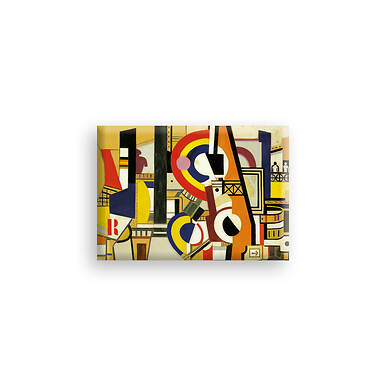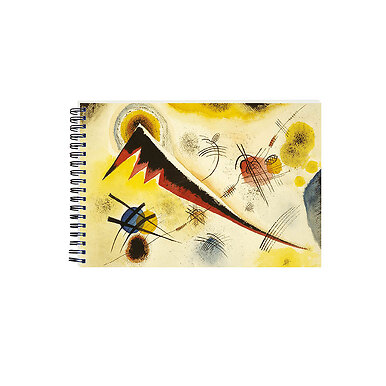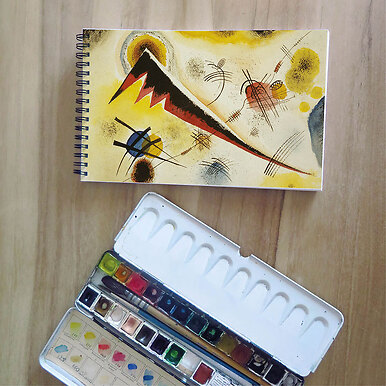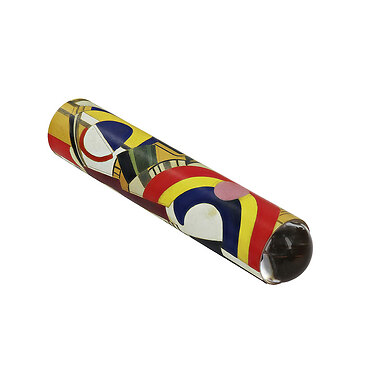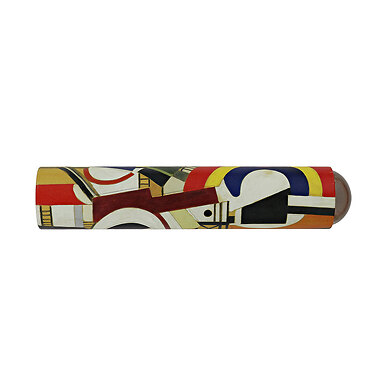
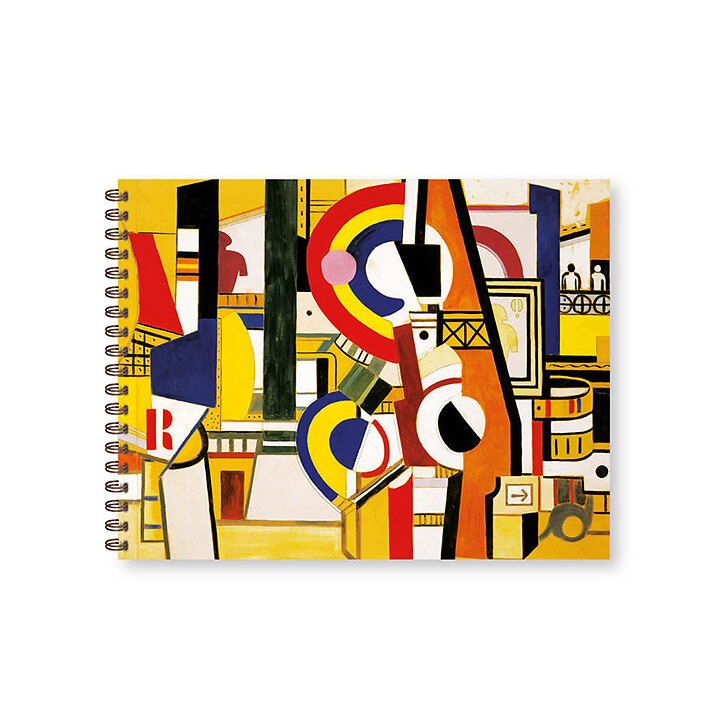
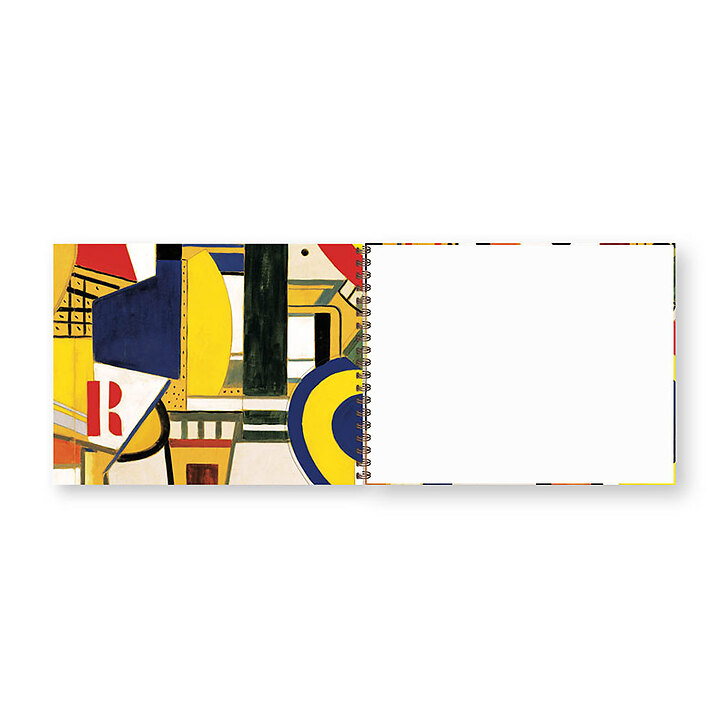
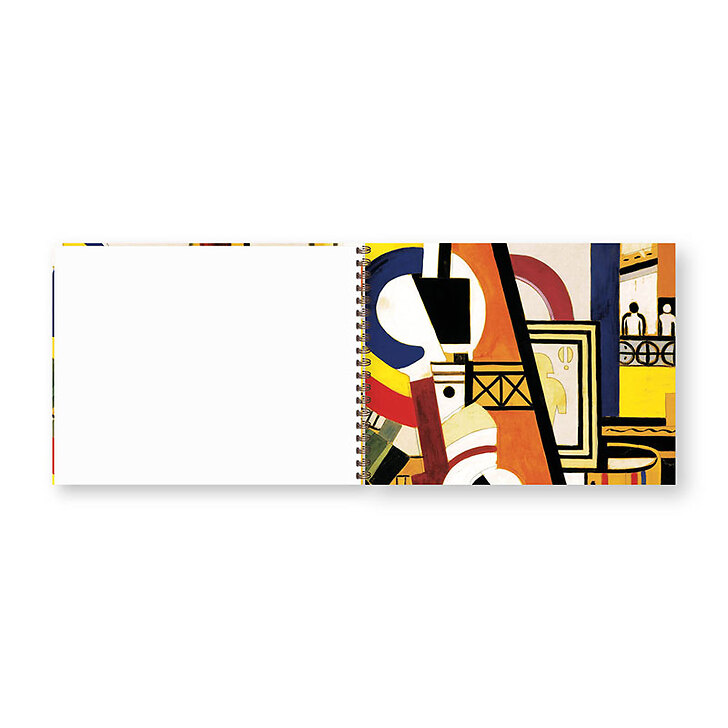

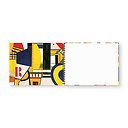
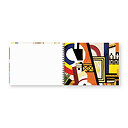

Notebook Fernand Léger - Study for Discs in the city, 1920

IP200179

This notebook has been created for the exhibition "Drawing outside the lines. Masterpieces from the Centre Pompidou's collection" at the Grand Palais from December 16, 2025 to March 15, 2026.

Fernand Léger (1881-1955)
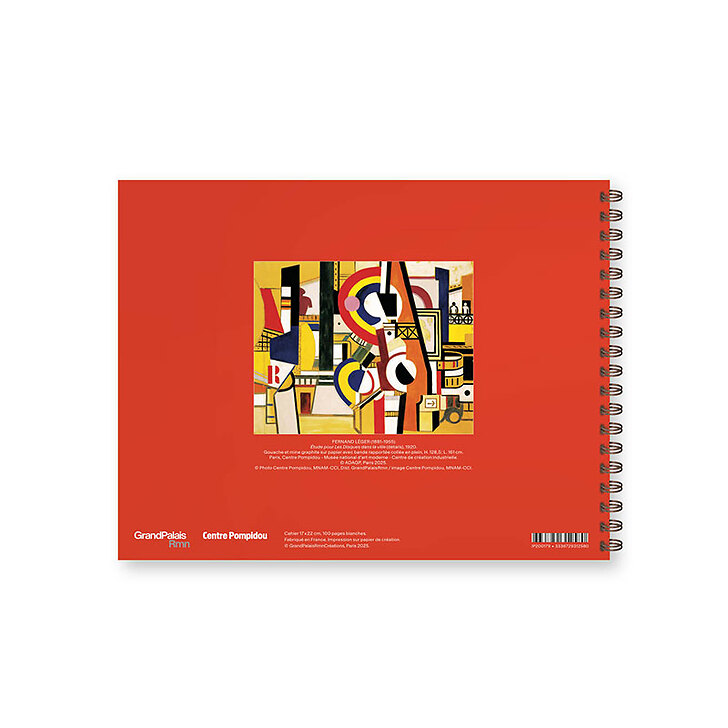
Study for Discs in the city (details), 1920
Gouache and graphite mine on paper with...

-{{ Math.floor(lowestprice.prices.user.percent) }}%
-{{ Math.floor(selectedVariant.prices.user.percent) }}%
From Current price{{ lowestprice.prices.user.price_tax_display }} Old price{{ lowestprice.prices.user.price_strike_tax_display }} Current price{{ lowestprice.prices.user.label }}
{{ price.price_tax_display }} {{ price.label }}
Public price Current price{{ lowestprice.prices.suggested.price_tax_display }} Old price{{ lowestprice.prices.suggested.price_strike_tax_display }}
excl. taxes
Current price{{ selectedVariant.prices.user.price_tax_display }} Old price{{ selectedVariant.prices.user.price_strike_tax_display }} Current price{{ selectedVariant.prices.user.label }}
{{ price.price_tax_display }} {{ price.label }}
Public price Current price{{ selectedVariant.prices.suggested.price_tax_display }} Old price{{ selectedVariant.prices.suggested.price_strike_tax_display }}
excl. taxes
Last available items
Sold by GrandPalaisRmn

Characteristics

Maintenance
Store in a dry place
Material of the original work
Gouache, mine graphite
Artist
Fernand Léger (1881-1955)
Engraving date
1920
Museum
Grand Palais
Art movement
Cubism
Reference
IP200179
EAN
3336729312580
Matière de l'article
Paper coated
Model dimensions
18cm x 22cm
Editor
© Photo Centre Pompidou, MNAM
Original work kept at
Paris, Centre Pompidou

Our selection

Notebooks

Recently viewed products

The work and its artist

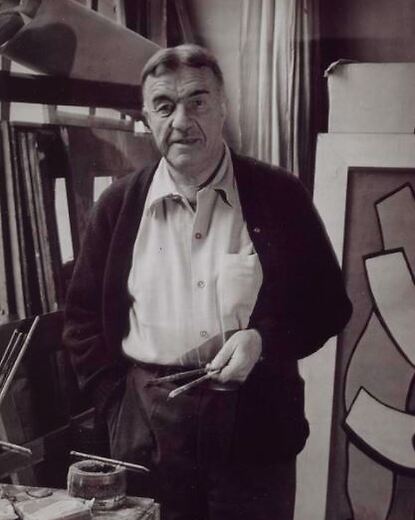
Fernand Léger (1881-1955)

Fernand Léger, born February 4, 1881, in Argentan (Orne) and died August 17, 1955 in Gif-sur-Yvette (Essonne), was a French painter, also creator of tapestry and stained glass cartoons, decorator, ceramist, sculptor, draughtsman and illustrator. He was one of the first to publicly exhibit Cubist-oriented work, although his style has sometimes been described as "Tubist".