Cezanne. L'art plus grand

MX053679

FRENCH VERSION

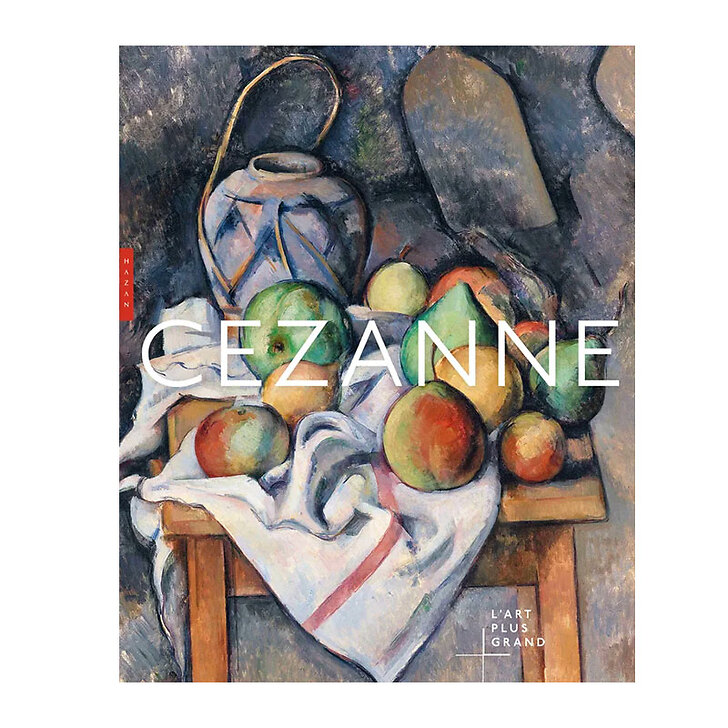
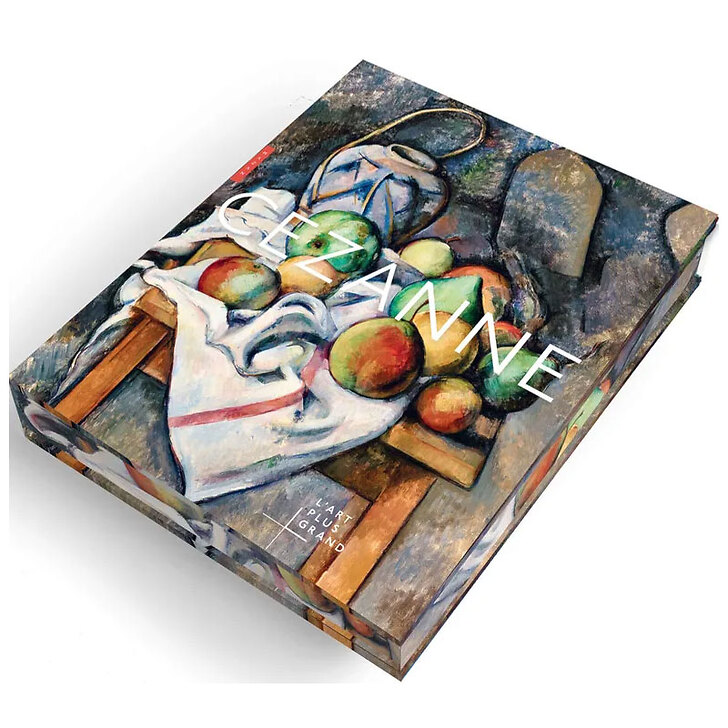
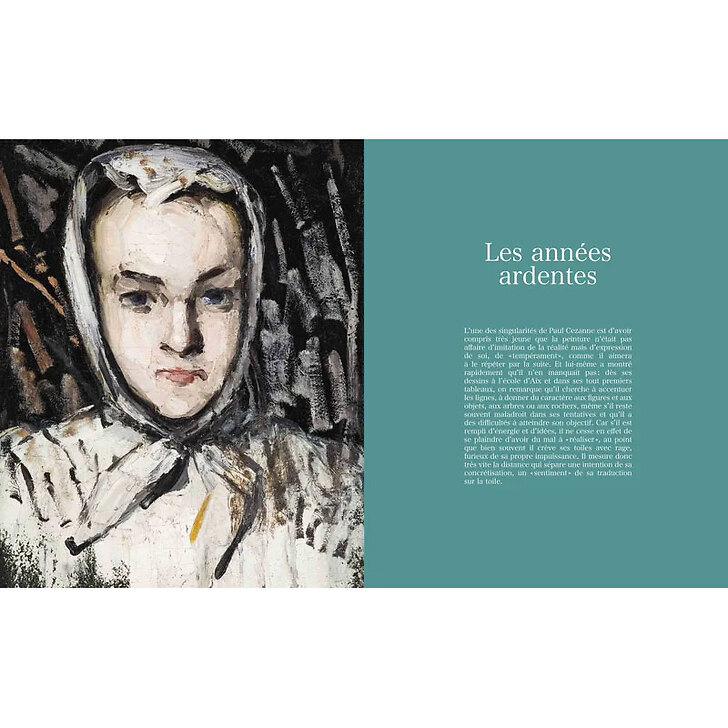
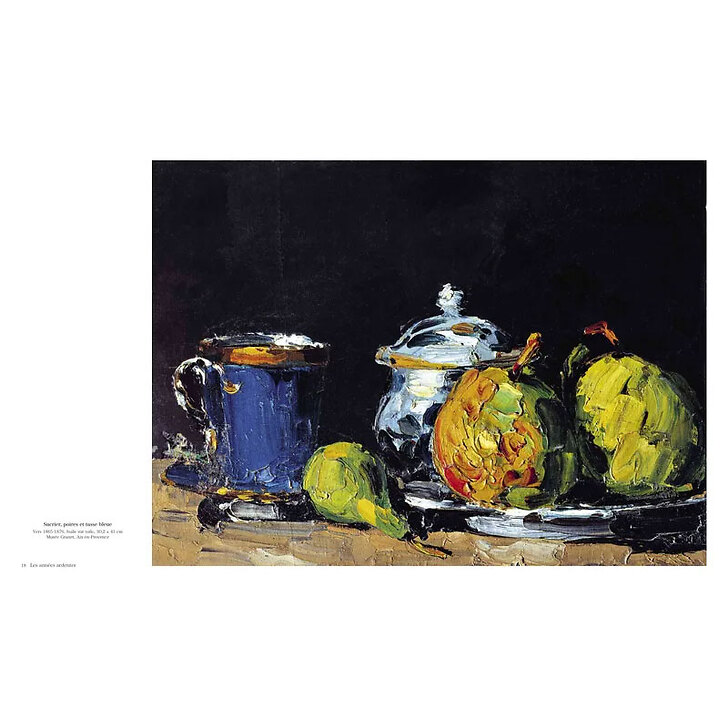
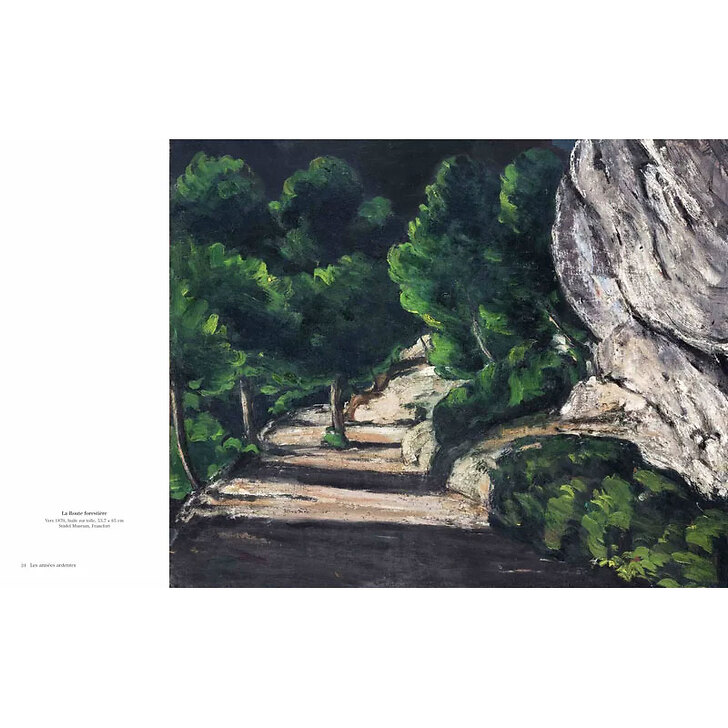
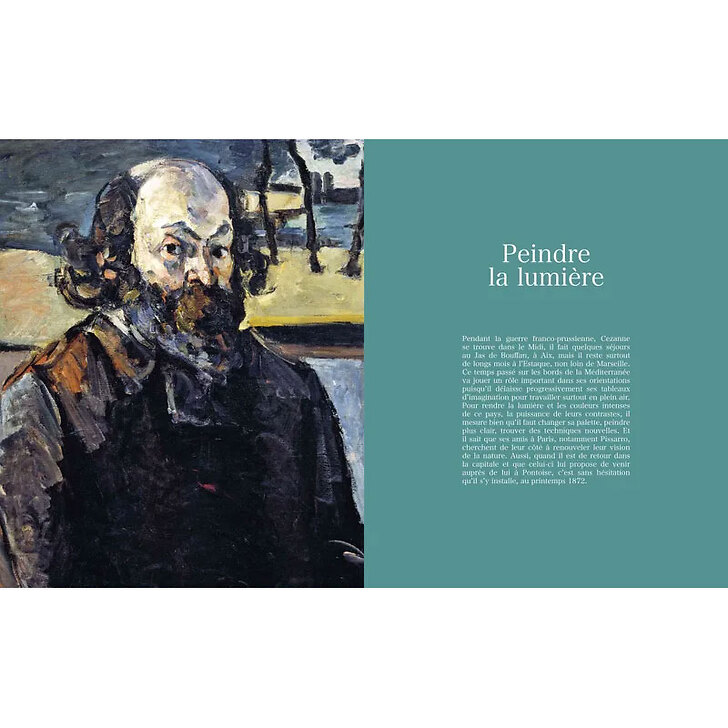
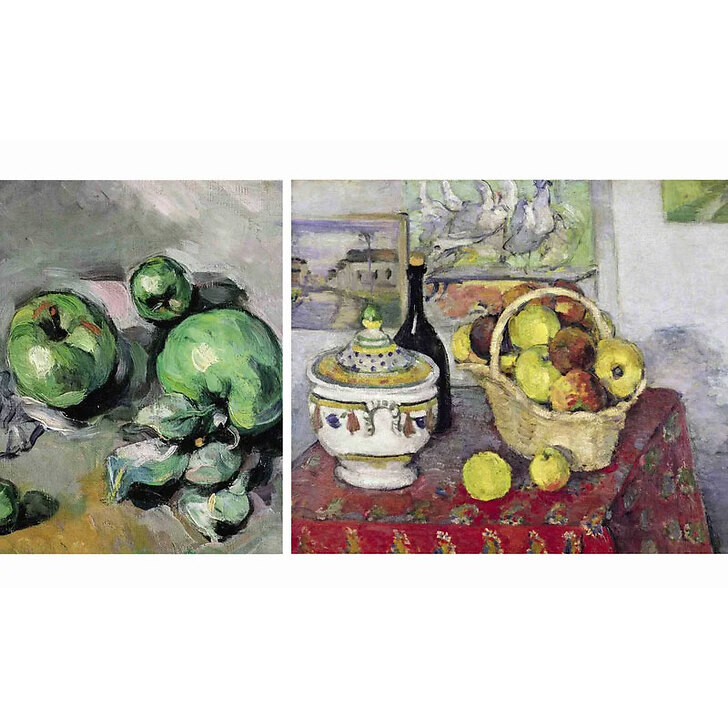
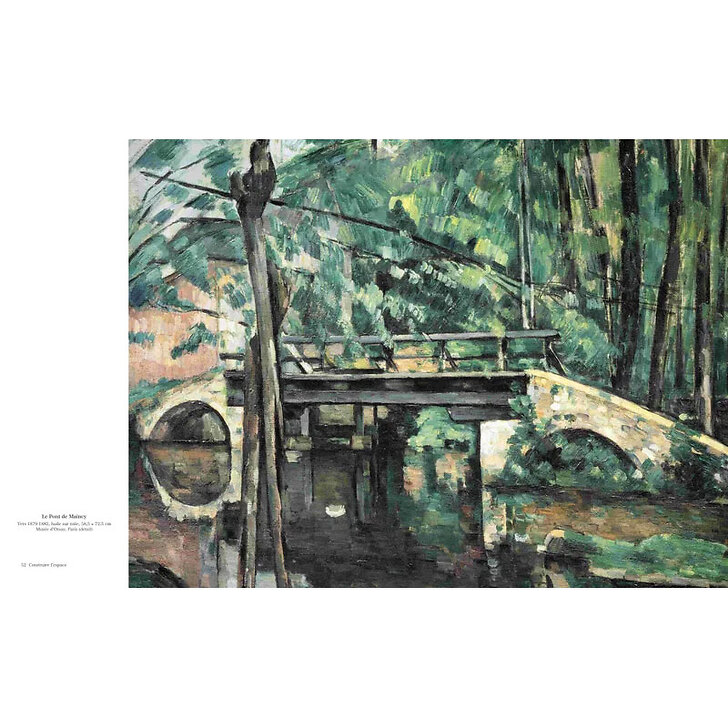
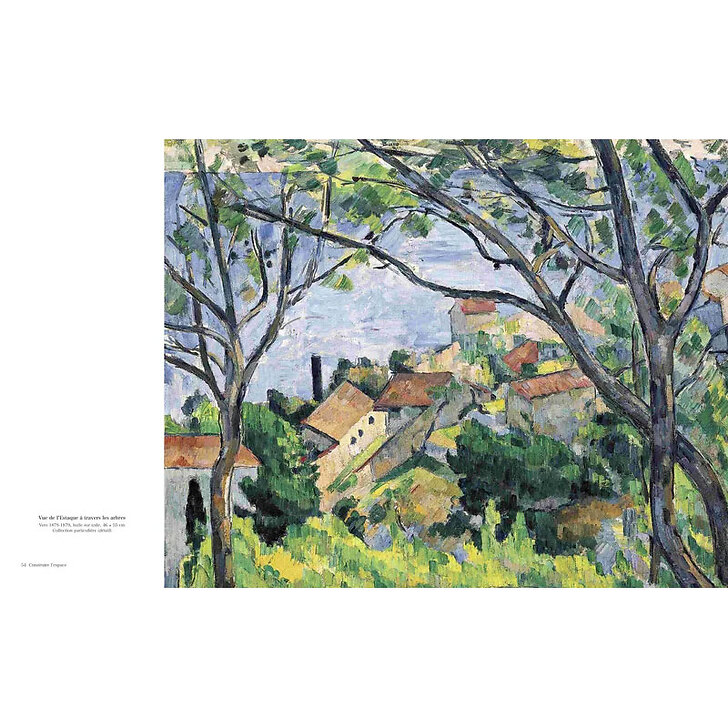
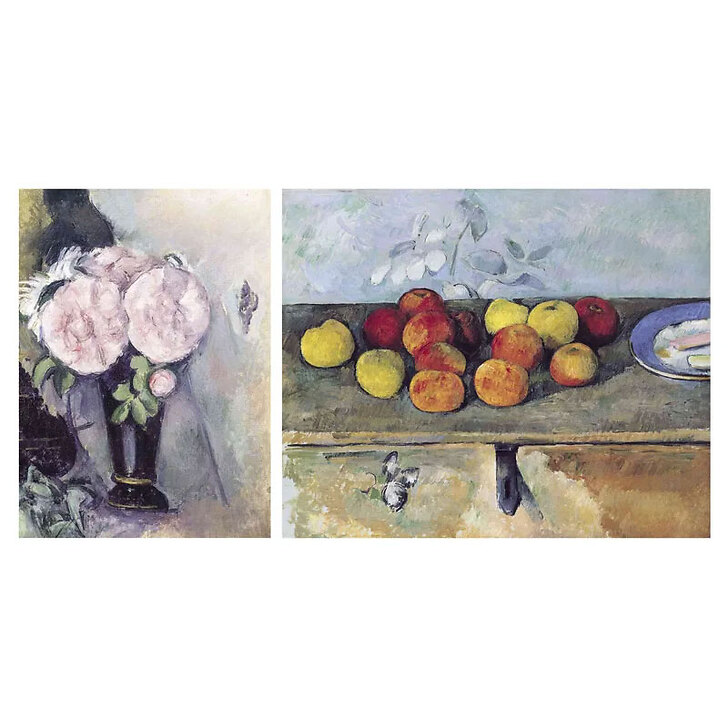
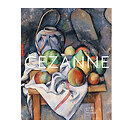
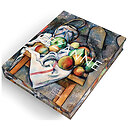
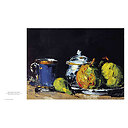
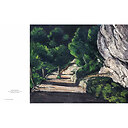
The evolution of the painter's work is traced in his chronology through about fifty of the most famous paintings. Six works are reproduced in the form of large-format leaflets to observe all the details.

French
124 pages

Éditions Hazan
L'ART+ GRAND

-{{ Math.floor(lowestprice.prices.user.percent) }}%
-{{ Math.floor(selectedVariant.prices.user.percent) }}%
From Current price{{ lowestprice.prices.user.price_tax_display }} Old price{{ lowestprice.prices.user.price_strike_tax_display }} Current price{{ lowestprice.prices.user.label }}
{{ price.price_tax_display }} {{ price.label }}
Public price Current price{{ lowestprice.prices.suggested.price_tax_display }} Old price{{ lowestprice.prices.suggested.price_strike_tax_display }}
excl. taxes
Current price{{ selectedVariant.prices.user.price_tax_display }} Old price{{ selectedVariant.prices.user.price_strike_tax_display }} Current price{{ selectedVariant.prices.user.label }}
{{ price.price_tax_display }} {{ price.label }}
Public price Current price{{ selectedVariant.prices.suggested.price_tax_display }} Old price{{ selectedVariant.prices.suggested.price_strike_tax_display }}
excl. taxes
Item unavailable Get alerted when it comes back in stock Select a variant to be alerted when it comes back in stock
Last available items

Cezanne. L'art plus grand

Item unavailable
Get alerted
Sold by GrandPalaisRmn
  • International delivery

  • 14 days to change your mind

  • Secure payment: CB, Visa, Mastercard, Amex, Paypal
Characteristics

Number of pages
124
Museums
Musée d'Orsay, Musée de l’Orangerie, Musée de Grenoble
Art movement
Impressionism
Dimensions
27,1x22,3x2,7 cm
Artist
Paul Cezanne (1839-1906)
Reference
MX053679
EAN
9782754118576
Size of the book
Paperback with flap
Editor
Hazan
Publication date
30 septembre 2026
  • International delivery

  • 14 days to change your mind

  • Secure payment: CB, Visa, Mastercard, Amex, Paypal
Our selection

Monographies

The work and its artist

Paul Cezanne (1839-1906)

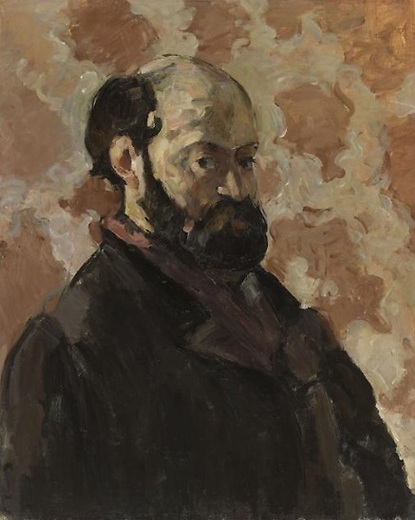
Born in France, he studied painting at the Swiss Academy and forged links with the future Impressionists. In 1886, Zola, his friend Zola, dates him, uses him as a model to describe a failed painter. This is the end of their long friendship. On the other hand, he still has a very good relationship with Pissarro, whom he worships as a master: he works with him for two years but in 1877, he splits off from this movement. His research made him the precursor of cubism: drawing and colour became inseparable from the arrangement of the painting, which was organized from the inside.