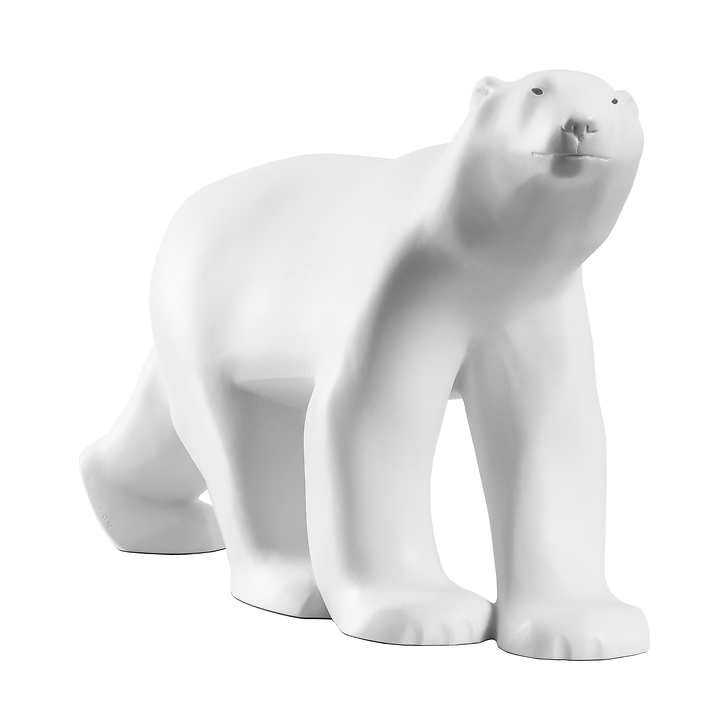
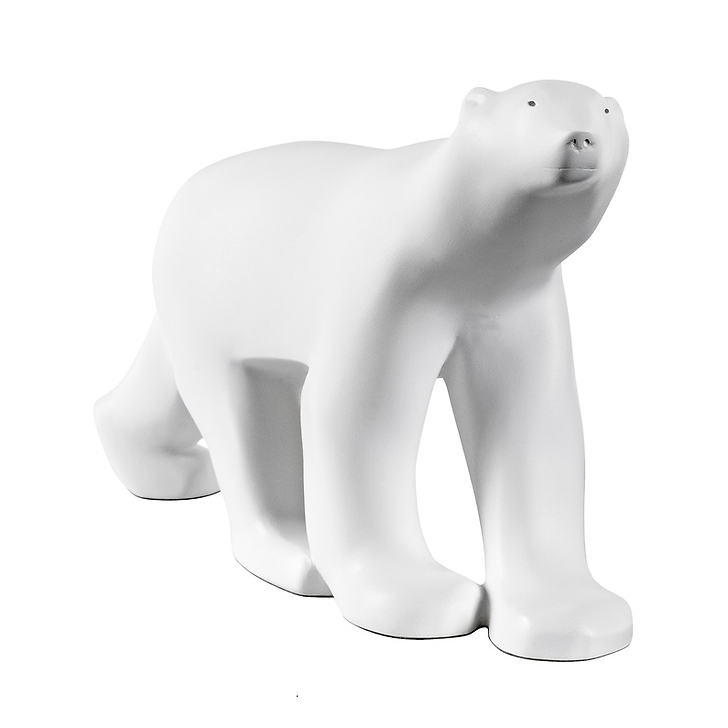
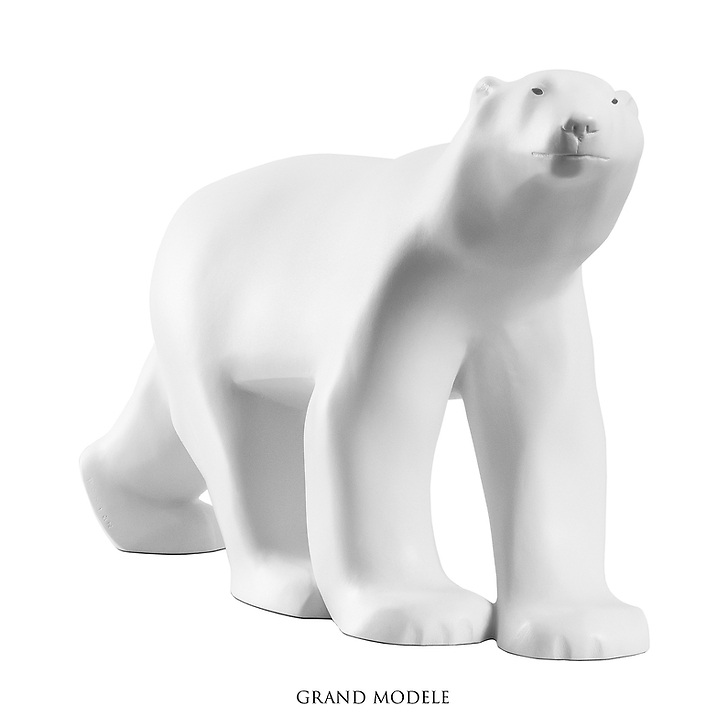
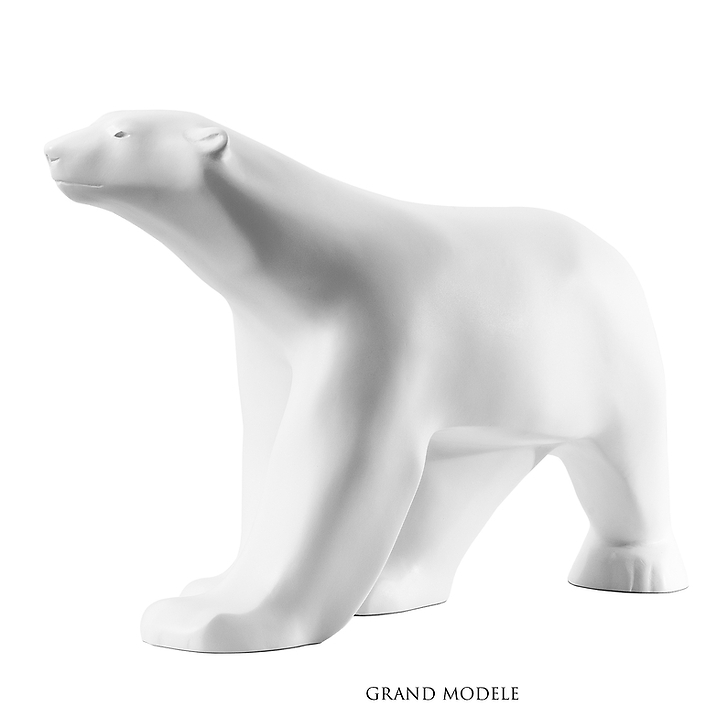
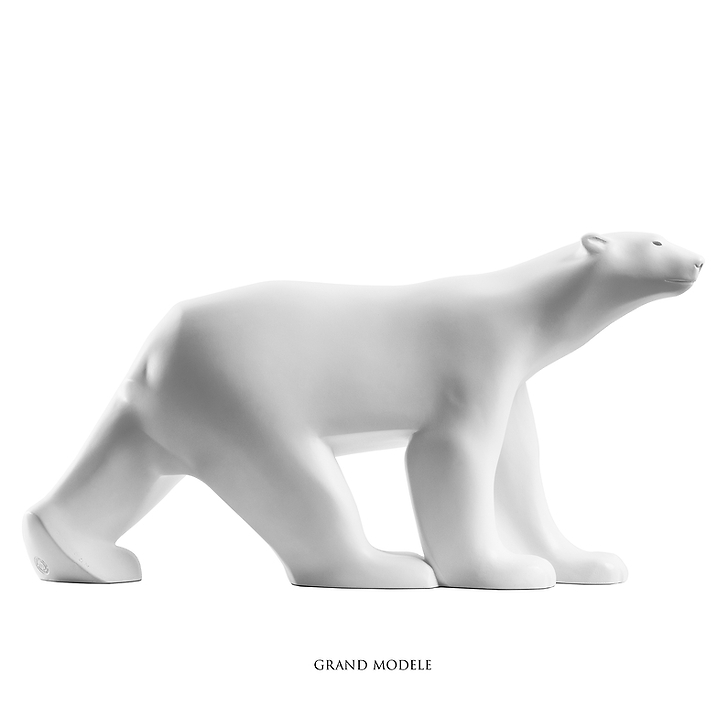
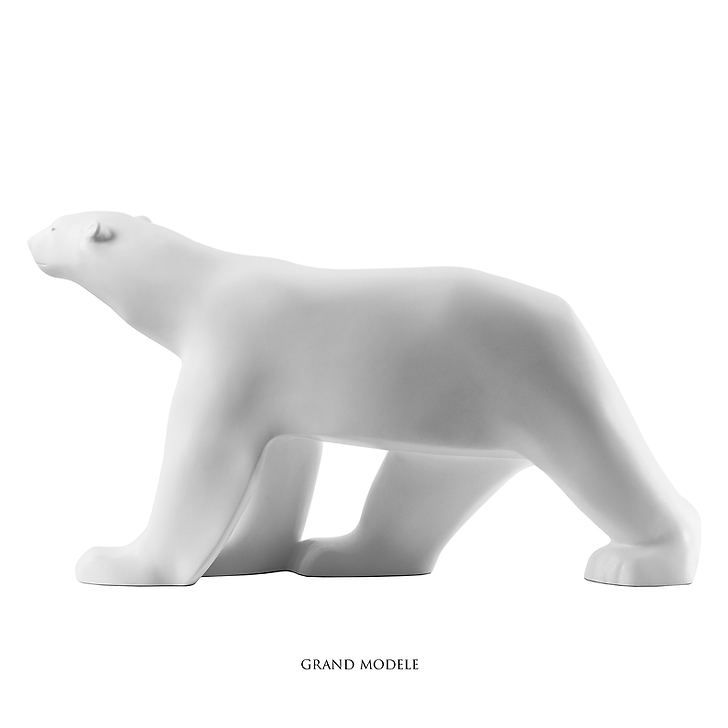
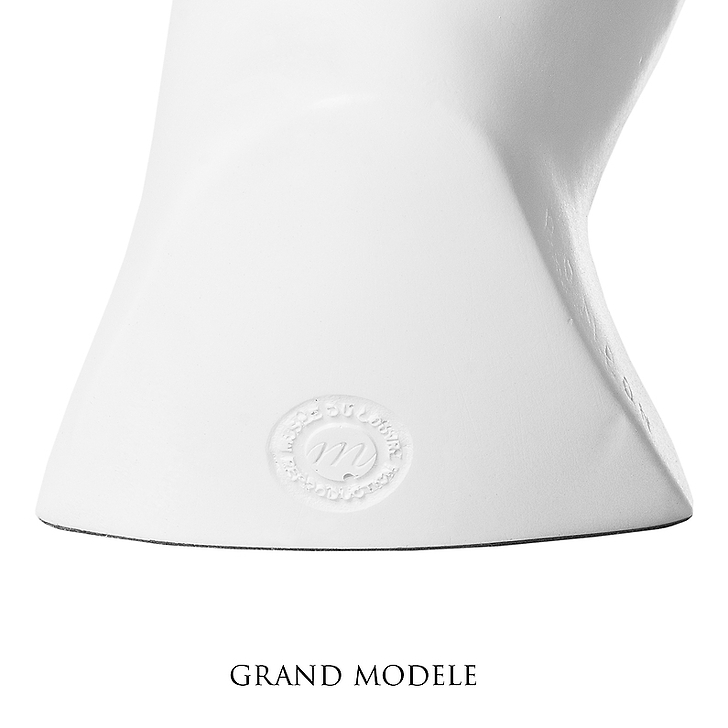
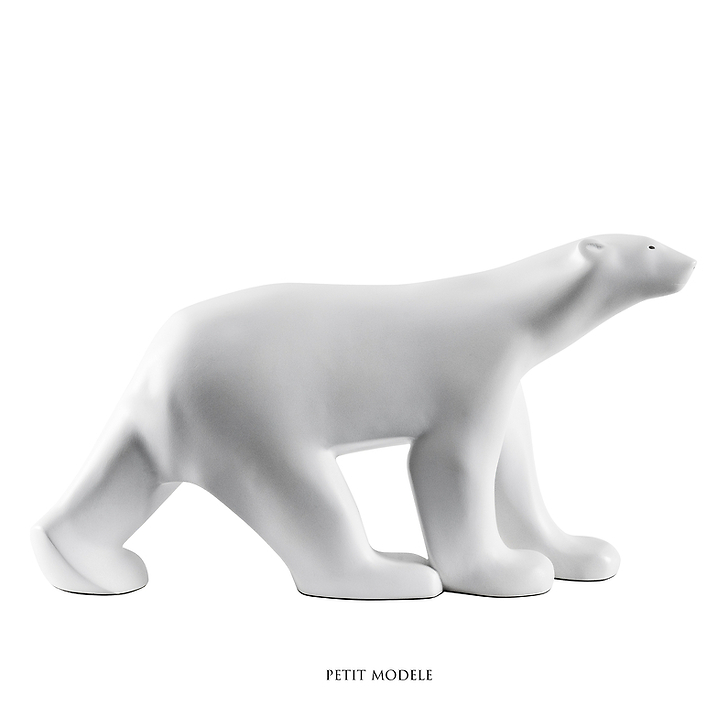
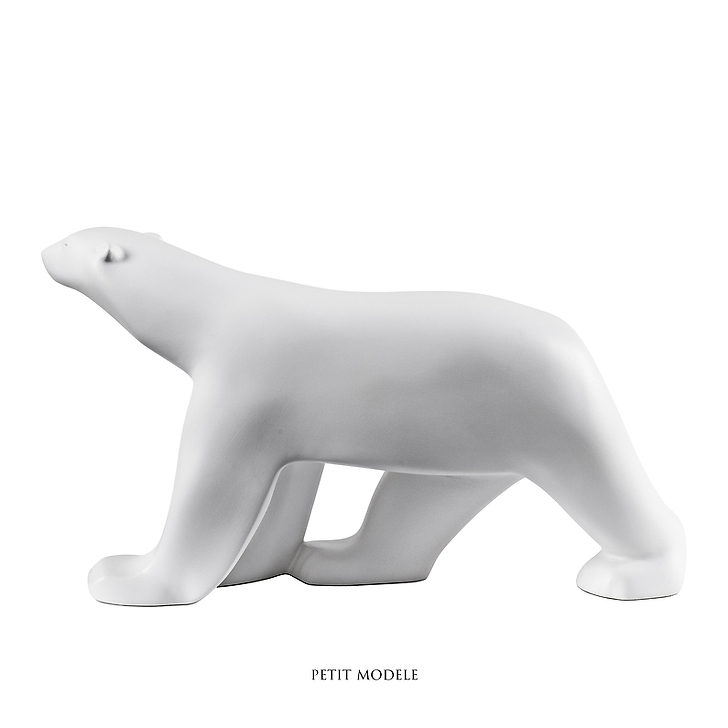
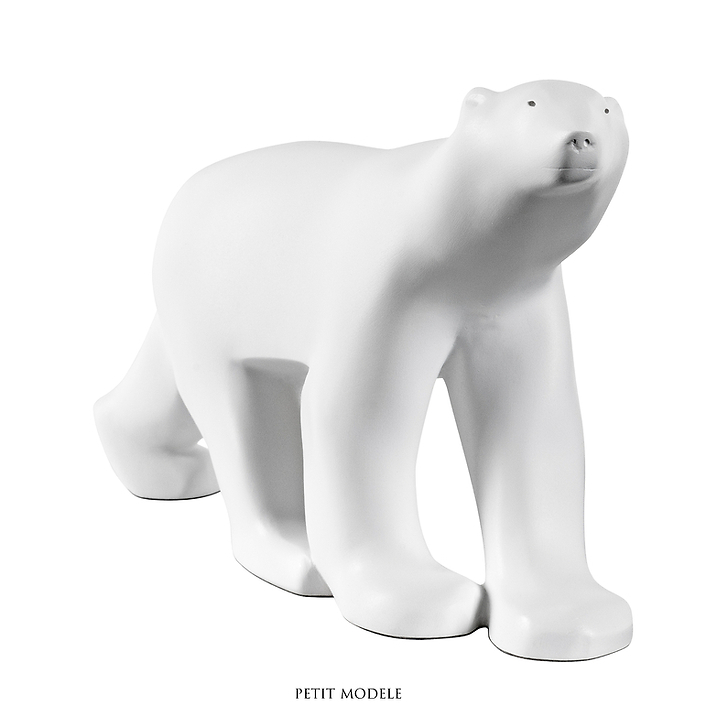
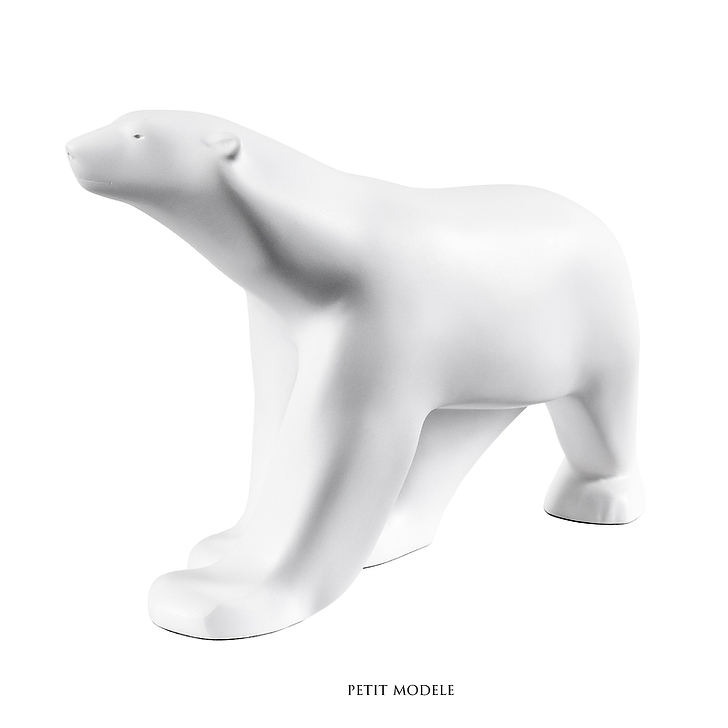
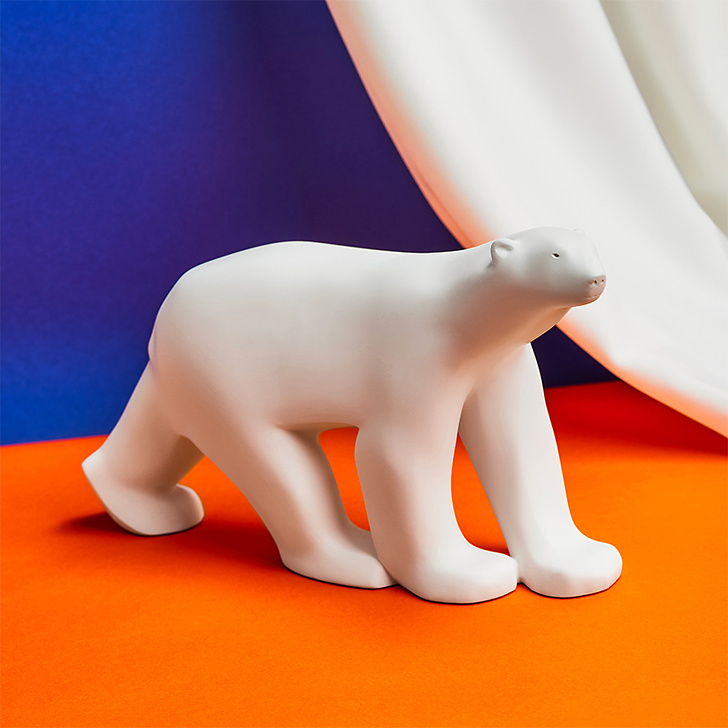
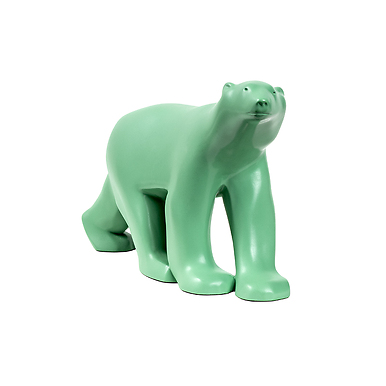
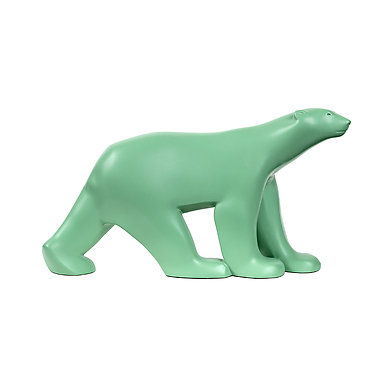
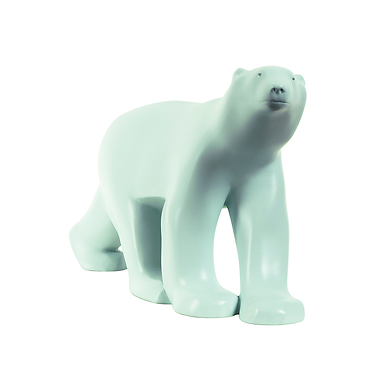
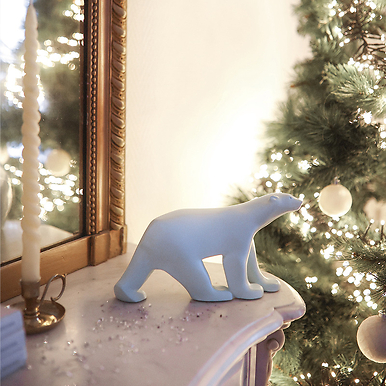
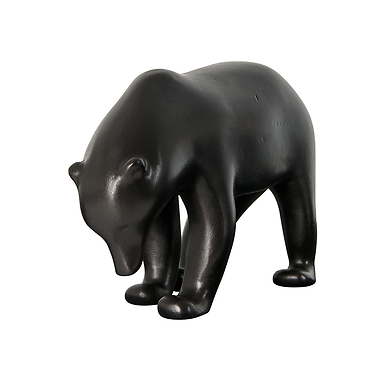
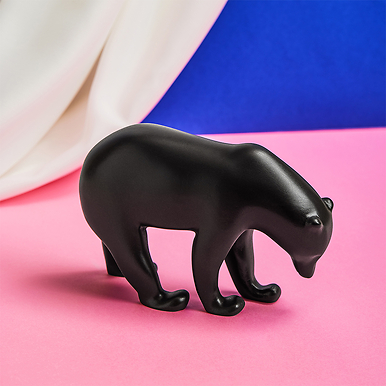
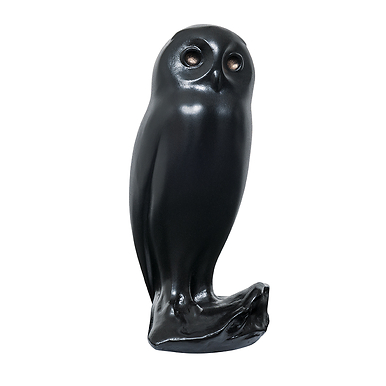
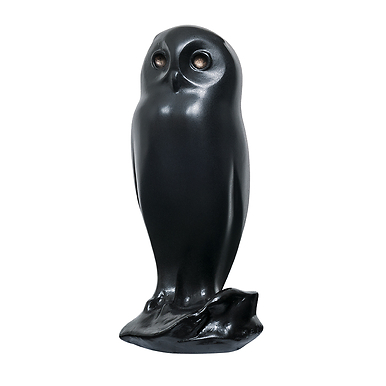
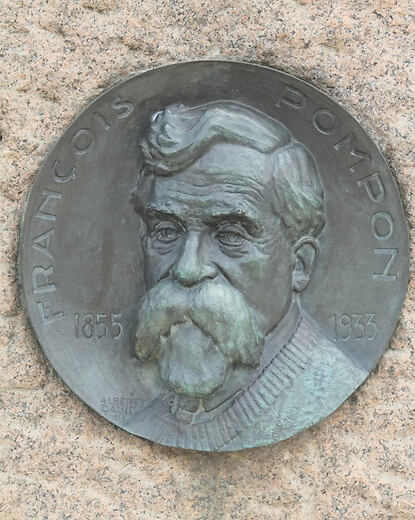
This reproduction of the White Bear is a cast of the original statue by sculptor François Pompon, on display at the Museum of Fine Arts in Dijon. The most famous version, however, is the one that has been on display at the Musée d'Orsay since 1986.
François Pompon's masterful work reached its peak at the 1922 Salon d'Automne, where the original plaster cast of the White Bear astonished both the public and critics. In reaction to the tormented expressionism of his mentor Auguste Rodin, the artist opted for a radical simplification of forms and a rejection of strict geometry, favoring an intuitive grasp of movement.
His animal depictions, stripped of all superfluous detail, reflect a deep appreciation for traditional materials and a quest for universal purity.
Today, while the studio collection is preserved by the city of Dijon at its Museum of Fine Arts, the most iconic example of this monumental sculpture stands majestically at the Musée d'Orsay, establishing itself as an essential icon of modernity.
To find out more about the work
What is the significance of François Pompon's White Bear?
François Pompon's White Bear symbolizes timelessness through a radical simplification of form. Its smooth surfaces enhance the light and convey a refined, animalistic movement, stripped of all superfluous detail.
Where is the original White Bear by Pompon located?
The original stone sculpture is housed at the prestigious Musée d'Orsay.
What is the estimated price of an original White Bear sculpture?
The price of an original White Bear sculpture generally ranges from €150,000 to over €300,000 at auctions, depending on the material and the date of casting.
How can you tell if a White Bear by Pompon is genuine?
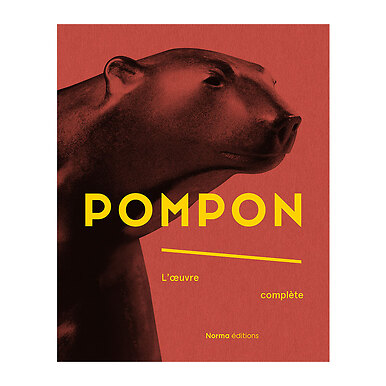
To identify a genuine White Bear by François Pompon, it is essential to check for the artist's signature on the plinth as well as the stamp of a renowned foundry, such as Valsuani or Hébrard, for bronze editions. The authenticity of this work can also be recognized by its perfectly smooth surfaces, characterized by an extreme simplification of forms that excludes any superfluous details such as fur or claws. Finally, examining the provenance and consulting an expert to confirm that the piece matches the records in the catalogue raisonné are essential to guarantee that it is an original.