New

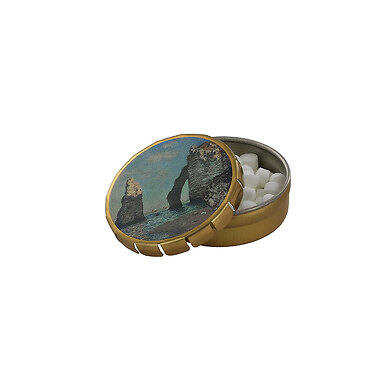
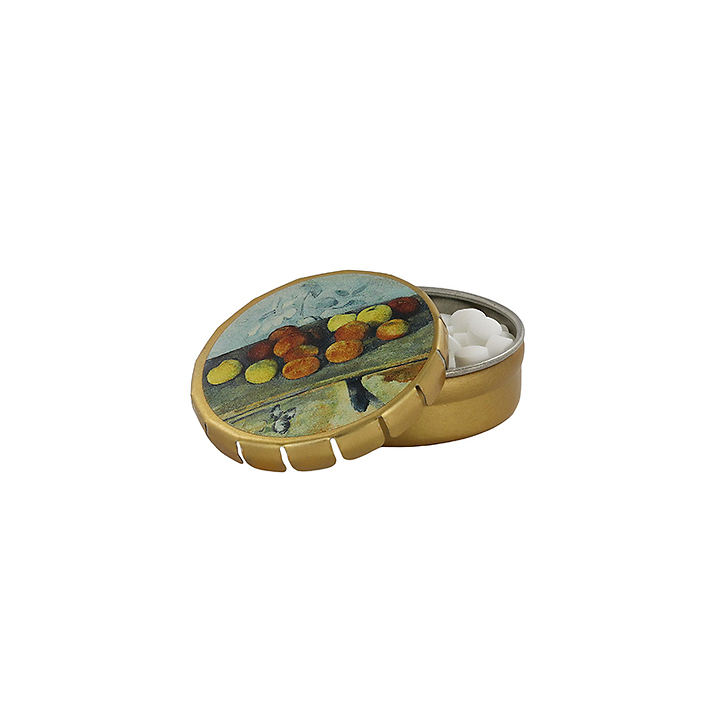
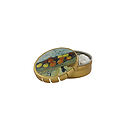
Box of mint pastilles Paul Cezanne Apples and Biscuits

CA900165

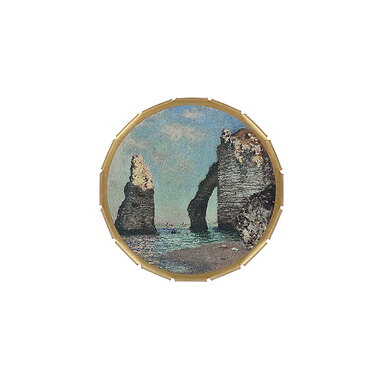
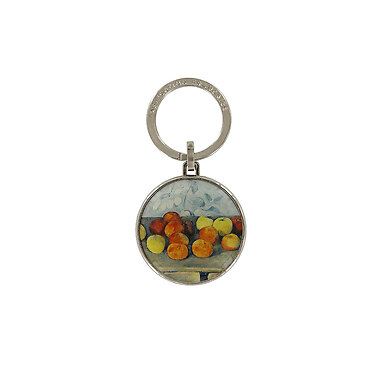
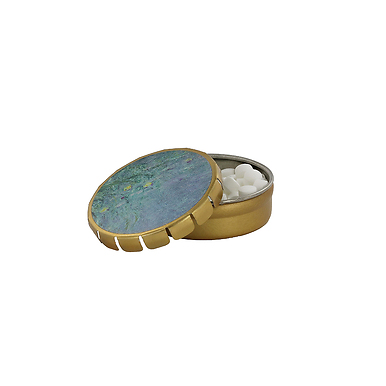
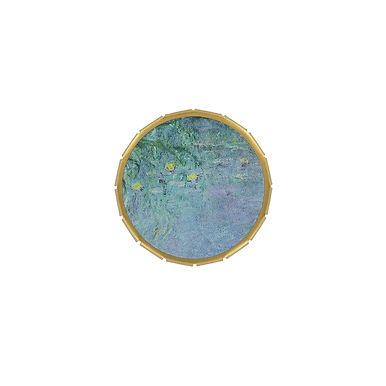
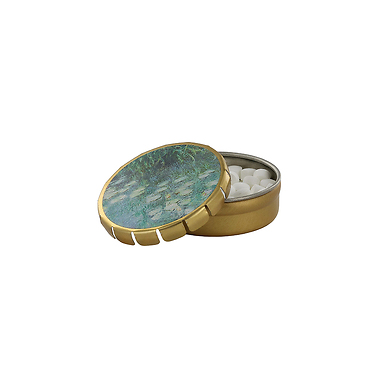
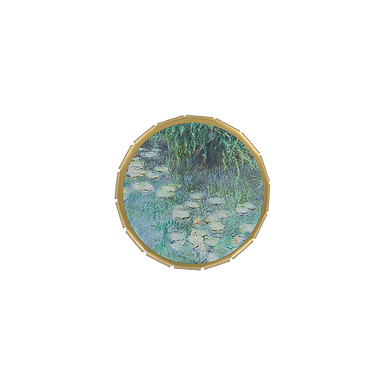
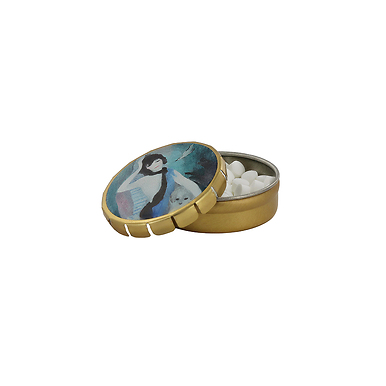
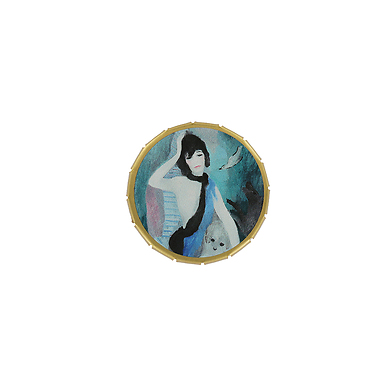
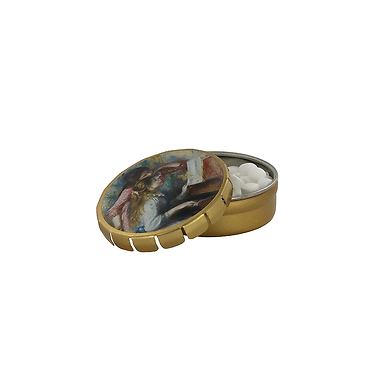
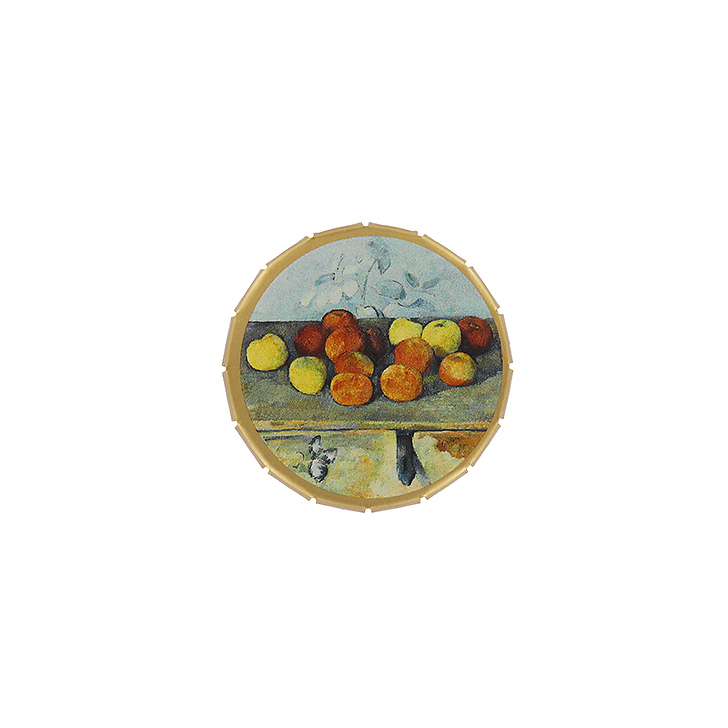
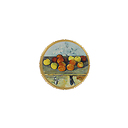
This box of mint pastilles depicts Paul Cezanne's (1839-1906) work Apples and Biscuits, 1880, housed at the Musée de l'Orangerie in Paris.

Paul Cezanne (1839-1906)
Apples and Biscuits, 1880
Oil on canvas. H. 45; W. 55 cm with frame H. 79; W. 87.5; D. 14.5 cm
© GrandPalaisRmn (Musée de l'Orangerie...

-{{ Math.floor(lowestprice.prices.user.percent) }}%
-{{ Math.floor(selectedVariant.prices.user.percent) }}%
From Current price{{ lowestprice.prices.user.price_tax_display }} Old price{{ lowestprice.prices.user.price_strike_tax_display }} Current price{{ lowestprice.prices.user.label }}
{{ price.price_tax_display }} {{ price.label }}
Public price Current price{{ lowestprice.prices.suggested.price_tax_display }} Old price{{ lowestprice.prices.suggested.price_strike_tax_display }}
excl. taxes
Current price{{ selectedVariant.prices.user.price_tax_display }} Old price{{ selectedVariant.prices.user.price_strike_tax_display }} Current price{{ selectedVariant.prices.user.label }}
{{ price.price_tax_display }} {{ price.label }}
Public price Current price{{ selectedVariant.prices.suggested.price_tax_display }} Old price{{ selectedVariant.prices.suggested.price_strike_tax_display }}
excl. taxes
Last available items
Sold by GrandPalaisRmn

Characteristics

Museum
Musée de l’Orangerie
Art movement
19th century
Artist
Paul Cézanne (1839-1906)
Reference
CA900165
EAN
3336729300860
Matière de l'article
Sugar, mint flavor
Model dimensions
4.5cm
Original work kept at
Paris, musée de l'Orangerie

Our selection

Food

Recently viewed products

The work and its artist

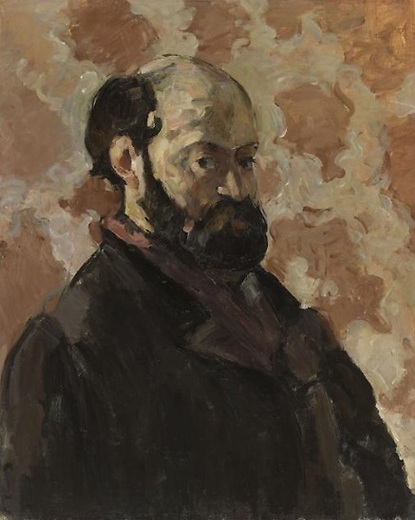
Paul Cézanne (1839-1906)

Born in France, he studied painting at the Swiss Academy and forged links with the future Impressionists. In 1886, Zola, his friend Zola, dates him, uses him as a model to describe a failed painter. This is the end of their long friendship. On the other hand, he still has a very good relationship with Pissarro, whom he worships as a master: he works with him for two years but in 1877, he splits off from this movement. His research made him the precursor of cubism: drawing and colour became inseparable from the arrangement of the painting, which was organized from the inside.