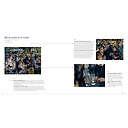
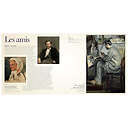
New

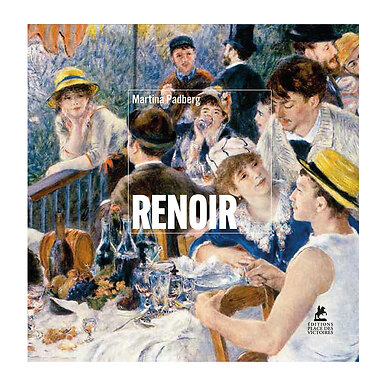
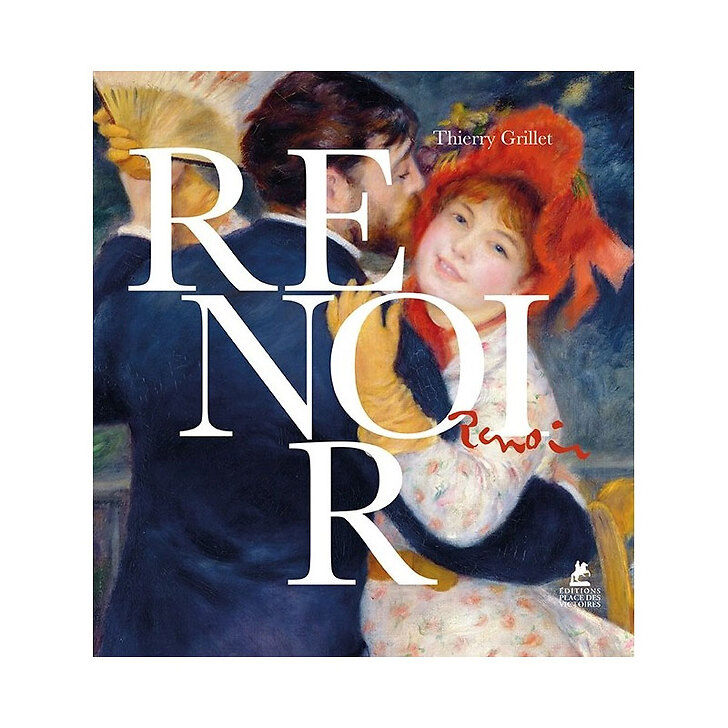
Renoir

MX048814

BILINGUAL VERSION FRENCH / ENGLISH

« If you wanted to tell Renoir's story, you would simply say : he sat down at his easel and he painted. That's all he did. He had a wife. He had children. That meant a lol in his life. Mostly he painted and that's all."

Bilingual French/ English
256 pages

Éditions...

-{{ Math.floor(lowestprice.prices.user.percent) }}%
-{{ Math.floor(selectedVariant.prices.user.percent) }}%
From Current price{{ lowestprice.prices.user.price_tax_display }} Old price{{ lowestprice.prices.user.price_strike_tax_display }} Current price{{ lowestprice.prices.user.label }}
{{ price.price_tax_display }} {{ price.label }}
Public price Current price{{ lowestprice.prices.suggested.price_tax_display }} Old price{{ lowestprice.prices.suggested.price_strike_tax_display }}
excl. taxes
Current price{{ selectedVariant.prices.user.price_tax_display }} Old price{{ selectedVariant.prices.user.price_strike_tax_display }} Current price{{ selectedVariant.prices.user.label }}
{{ price.price_tax_display }} {{ price.label }}
Public price Current price{{ selectedVariant.prices.suggested.price_tax_display }} Old price{{ selectedVariant.prices.suggested.price_strike_tax_display }}
excl. taxes
Last available items
Sold by GrandPalaisRmn

Characteristics

Number of pages
256
Museums
Musée d'Orsay, Musée de l’Orangerie
Art movement
Impressionism
Dimensions
21,9×21,9×2,4 cm
Artist
Pierre-Auguste Renoir (1841-1919)
Reference
MX048814
EAN
9782809903492
Size of the book
Paperback with flap
Editor
Place des Victoires
Publication date
19 février 2026

Our selection

Art Books

The work and its artist

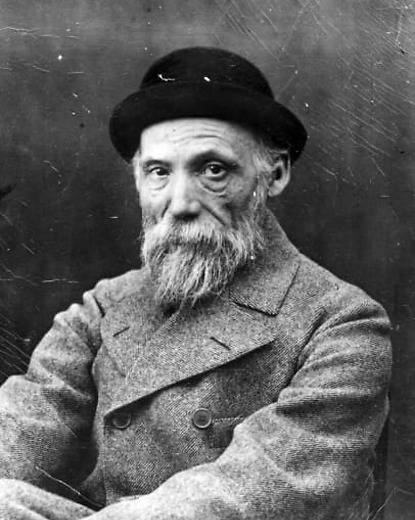
Pierre-Auguste Renoir (1841-1919)

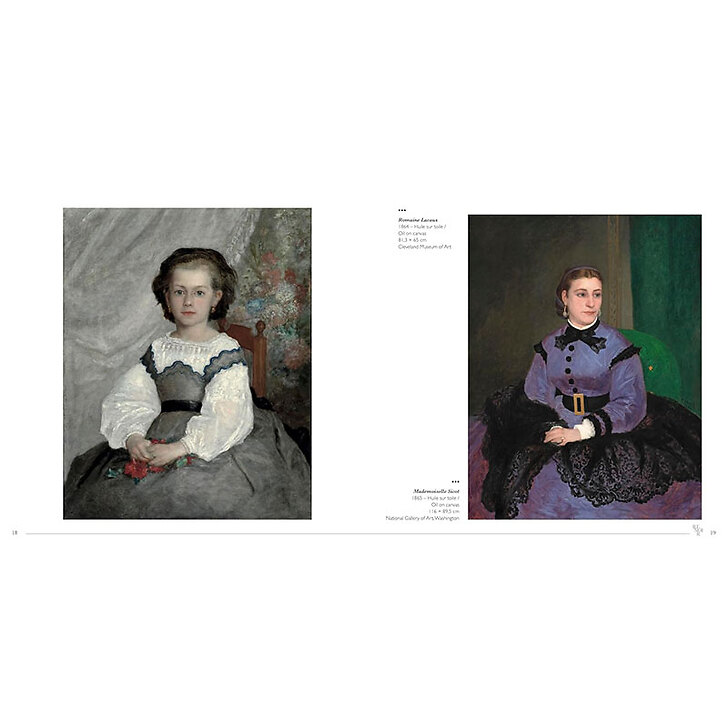
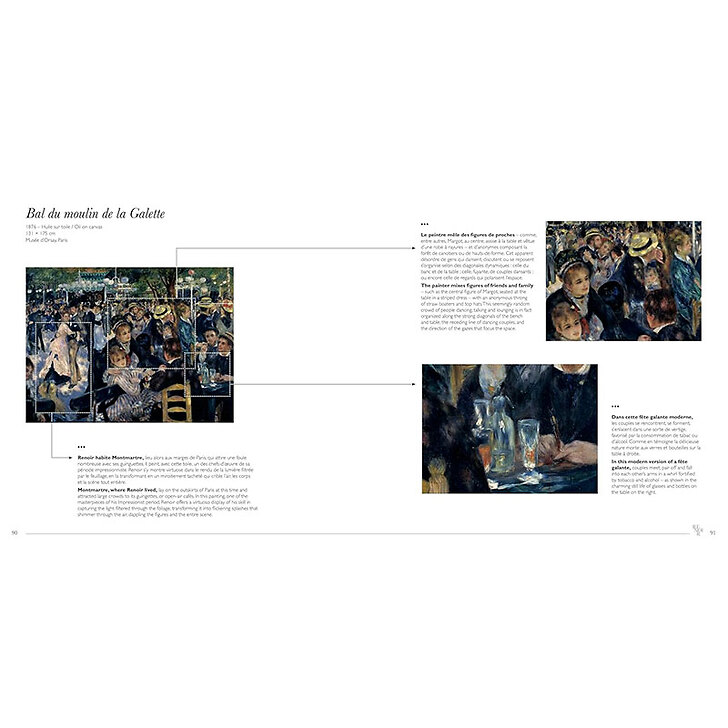
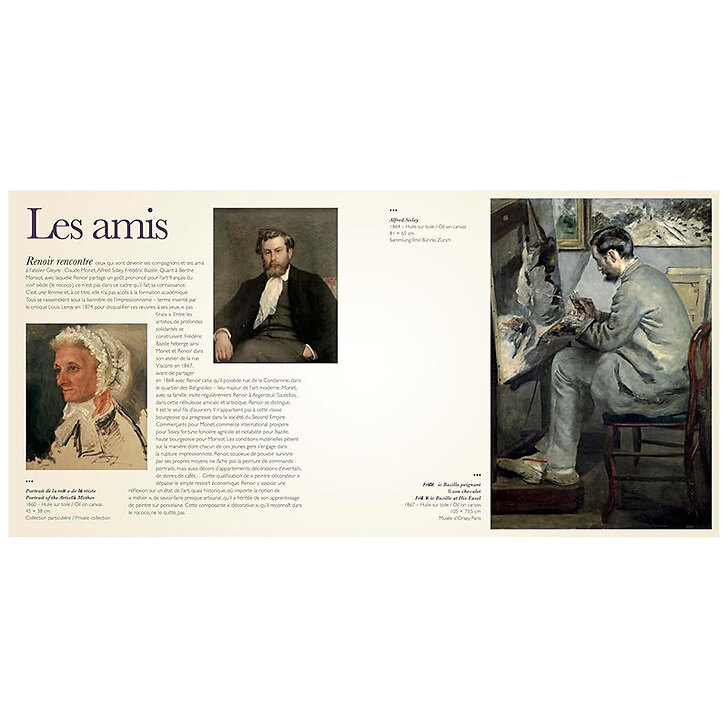
Renoir is one of the main representatives of the impressionist movement whose paintings are composed of touches of colour, set in small commas, where black and line do not exist. During this period, he painted scenes from modern popular and social life, portraits, landscapes. From 1880, Renoir began to change the way he painted. He stands out from the impressionists; his style becomes more classical.