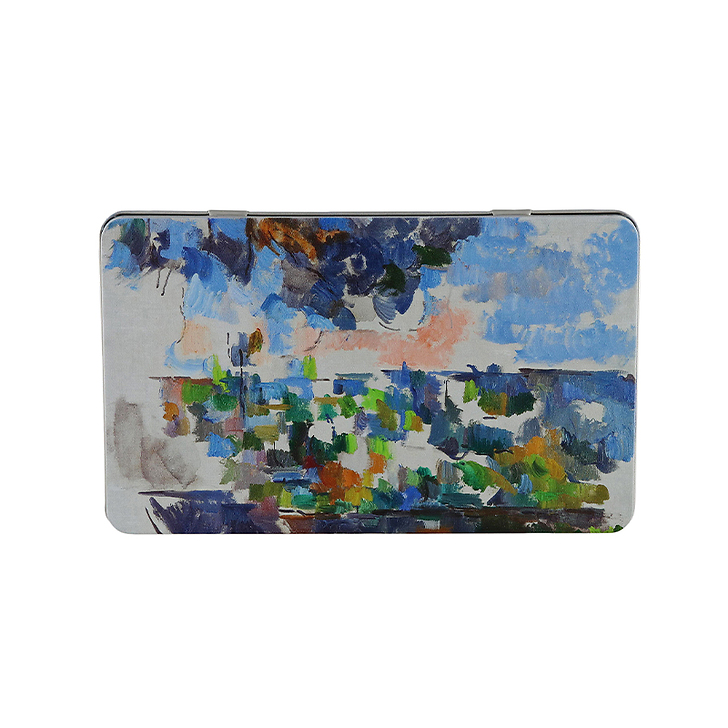
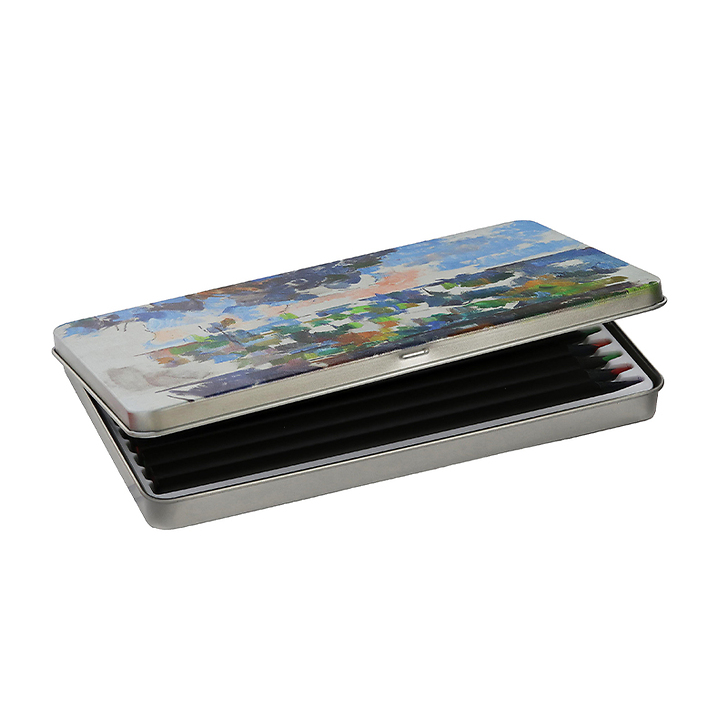
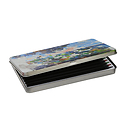
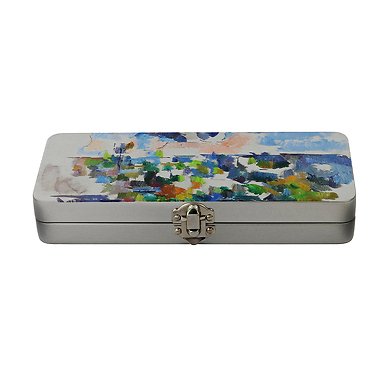
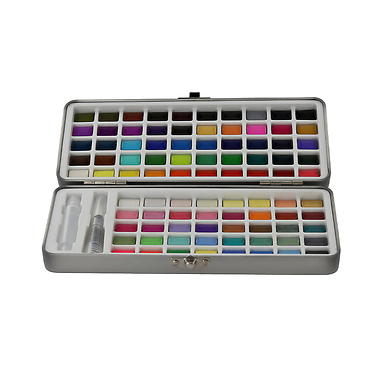
Paul Cézanne Colored Pencil Sketch - The Garden at Lauves

CU800884

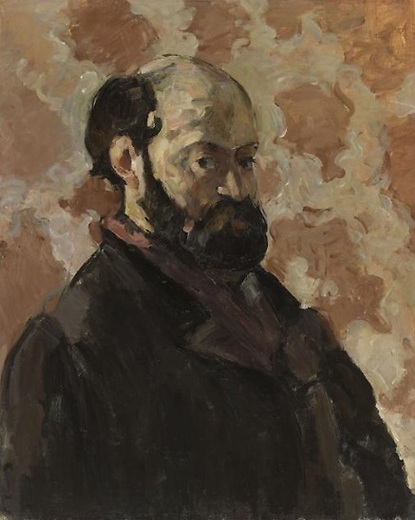
Paul Cézanne (1839-1906)
The Lauves Garden (detail), ca. 1906.
Oil on canvas. H. 65.4; W. 80.9 cm. Washington, The Phillips Collection.
© Photo The Phillips Collection, Washington, DC.

-{{ Math.floor(lowestprice.prices.user.percent) }}%
-{{ Math.floor(selectedVariant.prices.user.percent) }}%
From Current price{{ lowestprice.prices.user.price_tax_display }} Old price{{ lowestprice.prices.user.price_strike_tax_display }} Current price{{ lowestprice.prices.user.label }}
{{ price.price_tax_display }} {{ price.label }}
Public price Current price{{ lowestprice.prices.suggested.price_tax_display }} Old price{{ lowestprice.prices.suggested.price_strike_tax_display }}
excl. taxes
Current price{{ selectedVariant.prices.user.price_tax_display }} Old price{{ selectedVariant.prices.user.price_strike_tax_display }} Current price{{ selectedVariant.prices.user.label }}
{{ price.price_tax_display }} {{ price.label }}
Public price Current price{{ selectedVariant.prices.suggested.price_tax_display }} Old price{{ selectedVariant.prices.suggested.price_strike_tax_display }}
excl. taxes
Item unavailable Get alerted when it comes back in stock Select a variant to be alerted when it comes back in stock
Last available items

Paul Cézanne Colored Pencil Sketch - The Garden at Lauves

Item unavailable
Get alerted
Sold by GrandPalaisRmn
  • International delivery

  • 14 days to change your mind

  • Secure payment: CB, Visa, Mastercard, Amex, Paypal
Characteristics

Museum
Musée d'Orsay
Art movement
Impressionism
Artist
Paul Cézanne (1839-1906)
Reference
CU800884
EAN
3336729341429
Matière de l'article
Metal, wood
Model dimensions
18.5cm
Original work kept at
Washington, coll. Philipps
  • International delivery

  • 14 days to change your mind

  • Secure payment: CB, Visa, Mastercard, Amex, Paypal
Our selection

Writing

The work and its artist

Paul Cézanne (1839-1906)

Born in France, he studied painting at the Swiss Academy and forged links with the future Impressionists. In 1886, Zola, his friend Zola, dates him, uses him as a model to describe a failed painter. This is the end of their long friendship. On the other hand, he still has a very good relationship with Pissarro, whom he worships as a master: he works with him for two years but in 1877, he splits off from this movement. His research made him the precursor of cubism: drawing and colour became inseparable from the arrangement of the painting, which was organized from the inside.