Limited Edition
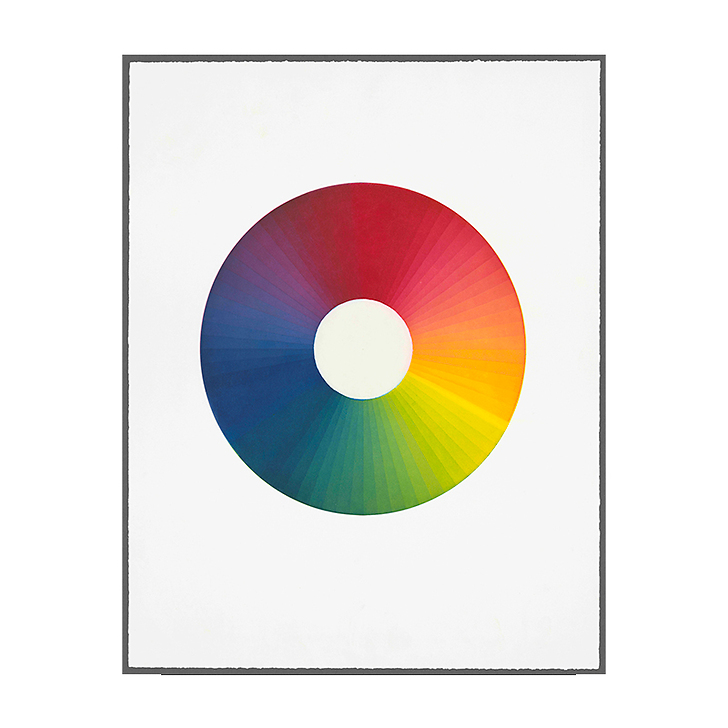
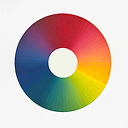
Engraving Colour wheel Chevreul
KM011495
Limited edition, numbered to 200 copies
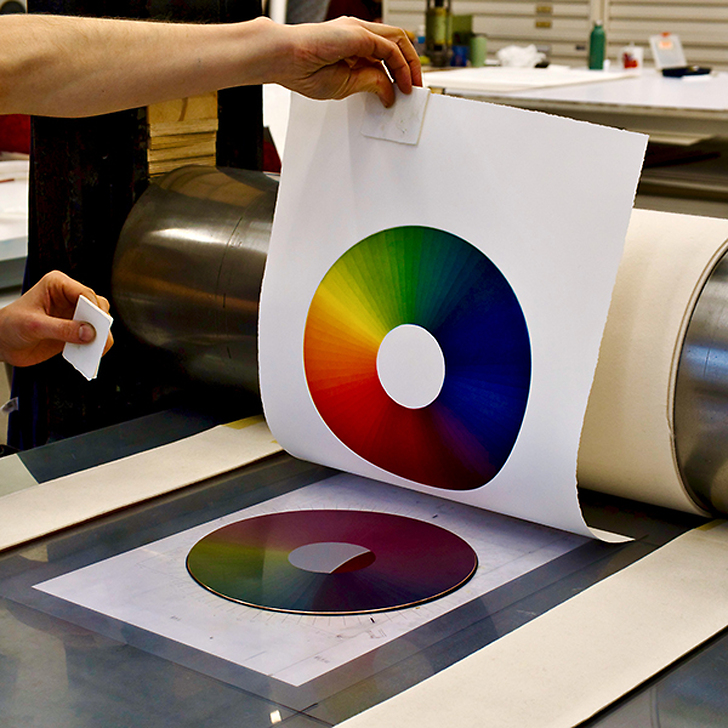
As part of the "Master Craftsman-Apprentice" program established by the Institut pour les savoir-faire français, Bertrand Dupré and Lucile Vanstaevel, printmakers and engravers at the Atelier de Chalcographie du Grand Palais RMN, spent three years conducting research...
Read more
Limited edition, numbered to 200 copies
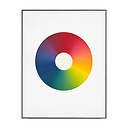
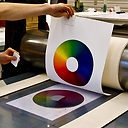
As part of the "Master Craftsman-Apprentice" program established by the Institut pour les savoir-faire français, Bertrand Dupré and Lucile Vanstaevel, printmakers and engravers at the Atelier de Chalcographie du Grand Palais RMN, spent three years conducting research on the use of color in engraving, combining a scientific approach with traditional craftsmanship. The reconstruction of the Color Wheel based on Chevreul marks the culmination of this research and serves as a reference tool for the workshop's printers, particularly facilitating dialogue with contemporary artists wishing to create color engravings.
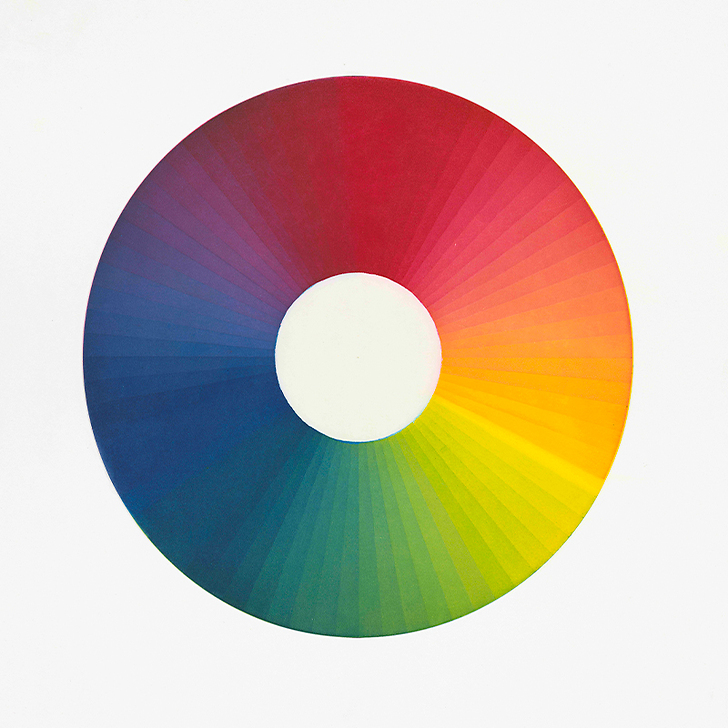
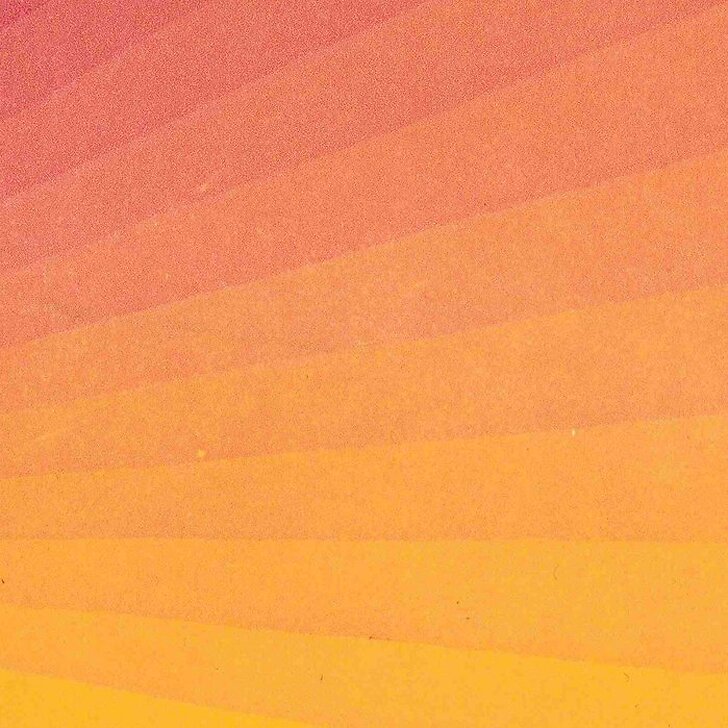
This color wheel, "containing pure colors," is an invention of Eugène Chevreul (1824-1883), a chemist and director of the Gobelins dyeing workshop. Developed in 1851, it features 72 wool tones which, multiplied by 200 shades for each tone, yield 14,400 colors referenced and coded based on the three primary colors (yellow, red, blue) and the three secondary colors (orange, green, and violet). Published as early as 1855 and reproduced using a "combined engraving and intaglio printing" technique, it was a resounding success in France and abroad, particularly among the Post-Impressionists in search of innovative artistic expression.
Through his work, Chevreul demonstrated the law of "simultaneous color contrast"-in other words, the optical effect created when two adjacent shades influence one another and thus appear to transform.
This new understanding of color perception was a true revelation for the artists of the time, notably Paul Signac and Georges Seurat, leading to the emergence of new artistic movements such as Pointillism. Color mixing no longer takes place on the artist's palette, but directly in the viewer's retina.
Close
Sold by GrandPalaisRmn
International delivery
14 days to change your mind
Secure payment: CB, Visa, Mastercard, Amex, Paypal